
Quick Answer
Yes, bovine collagen is generally safe for most people when taken at recommended doses (5-15g daily). Clinical studies show minimal side effects, with the most common being mild digestive discomfort that typically resolves within a few days.
However, you should avoid bovine collagen if you have a beef allergy, and consult your GP before taking it if you’re pregnant, breastfeeding, have kidney disease, or take blood-thinning medications.
Quality matters significantly for safety. Choose bovine collagen from reputable manufacturers that use grass-fed cattle, third-party testing, and comply with BSE (mad cow disease) regulations.
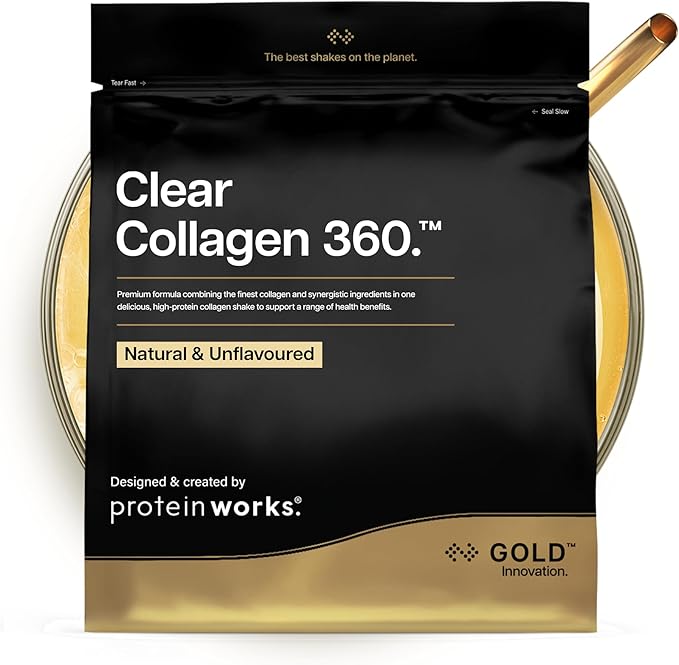
BEST IN TEST: Protein Works Clear Collagen 360
- Premium hydrolysed bovine collagen peptides
- 480g pack size lasts a long time
- Enhanced with vitamin C and hyaluronic acid
- Natural & unflavoured for versatile mixing
- Award-winning Gold Innovation formula
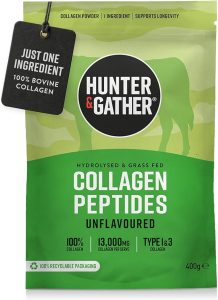
Hunter & Gather Collagen Peptides
- 100% grass-fed bovine collagen
- 13g collagen peptides per 400g pouch
- Type I & III collagen for skin and joints
- Unflavoured powder, mixes into any drink
- Sustainably sourced from European farms
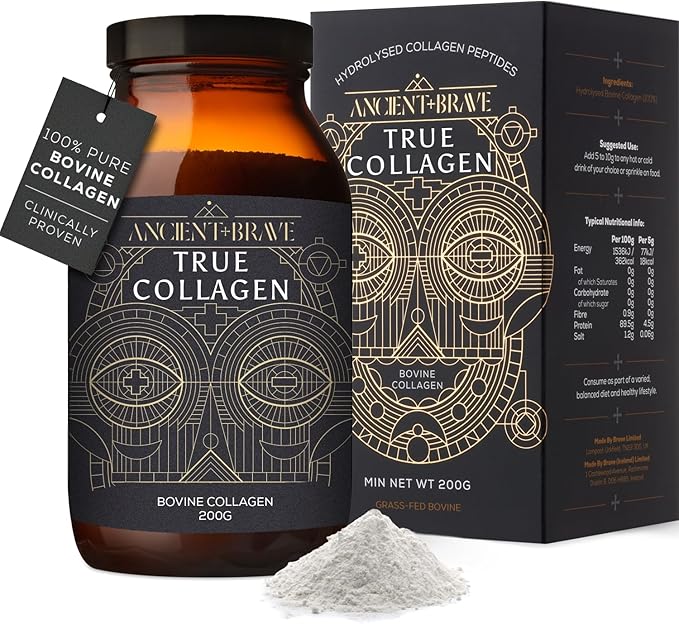
Ancient + Brave True Collagen
- Premium grass-fed collagen from European cattle
- 5g pure collagen peptides per serving
- Zero additives, flavours, or fillers
- Excellent mixability with no clumping
- Trusted by 50,000+ UK customers
Understanding Bovine Collagen Safety
Bovine collagen has been consumed safely for decades, both as a traditional food (bone broth, gelatin) and as a modern supplement. The hydrolysed collagen peptides you buy today undergo extensive processing that breaks down the protein into smaller, easily digestible fragments.
Research published in the Journal of Drugs in Dermatology demonstrates that oral collagen supplementation is well-tolerated with minimal adverse effects reported in clinical trials.
This processing eliminates most potential allergens and contaminants, making bovine collagen one of the safest dietary supplements available. However, as with any supplement, understanding potential risks and contraindications helps you make an informed decision.
The key to safety lies in three factors: source quality, manufacturing standards, and individual health circumstances. Let’s examine each in detail.
Common Side Effects (And How Common They Really Are)
Clinical trials involving thousands of participants have documented bovine collagen’s safety profile. The overwhelming majority of users experience no side effects whatsoever.
A comprehensive review in Nutrients journal analyzed multiple studies on collagen supplementation and found excellent safety outcomes across diverse populations.
Digestive Discomfort (Most Common)
The most frequently reported side effect is mild digestive upset, occurring in approximately 5-8% of new users. Symptoms include:
- Mild bloating or feeling of fullness
- Slight stomach discomfort
- Changes in bowel movements (usually more regular, occasionally looser stools)
- Mild nausea when taken on an empty stomach
These symptoms typically appear within the first few days of supplementation and resolve on their own within a week as your digestive system adapts to the additional protein.
To minimise digestive discomfort, start with a lower dose (5g daily) for the first week, then gradually increase to your target dose. Taking collagen with food rather than on an empty stomach also helps.
Unpleasant Taste or Aftertaste (Rare)
Some users report a slight taste or aftertaste, though quality hydrolysed collagen should be virtually tasteless. If you experience this, it’s more likely related to product quality than a side effect per se.
Mixing collagen thoroughly into beverages or food eliminates any taste concerns for most people.
BEST TASTING: Ancient + Brave True Collagen
- Premium grass-fed collagen from European cattle
- 5g pure collagen peptides per serving
- Zero additives, flavours, or fillers
- Excellent mixability with no clumping
- Trusted by 50,000+ UK customers
FAST ACTING: Protein Works Clear Collagen 360
- Premium hydrolysed bovine collagen peptides
- 480g pack size lasts a long time
- Enhanced with vitamin C and hyaluronic acid
- Natural & unflavoured for versatile mixing
- Award-winning Gold Innovation formula
Hunter & Gather Collagen Peptides
- 100% grass-fed bovine collagen
- 13g collagen peptides per 400g pouch
- Type I & III collagen for skin and joints
- Unflavoured powder, mixes into any drink
- Sustainably sourced from European farms
Feeling of Heaviness (Uncommon)
A small number of users report feeling unusually full or heavy after taking collagen, particularly at higher doses (15g+). This is simply your body responding to the additional protein and typically resolves with continued use or by splitting the dose throughout the day.
Hypercalcemia Risk (Very Rare)
Bovine collagen contains small amounts of calcium. Research in Bone Reports notes that collagen supplements may contribute to overall calcium intake. In theory, very high doses combined with other calcium supplements could contribute to hypercalcemia (elevated blood calcium), though this has not been documented in clinical studies at normal collagen doses.
If you take calcium supplements or have a history of kidney stones, discuss collagen supplementation with your healthcare provider.
Allergic Reactions: Who Should Avoid Bovine Collagen
Beef Allergy
If you have a confirmed beef or bovine protein allergy, you should not take bovine collagen. While the hydrolysis process removes most allergenic proteins, residual beef proteins may remain and could trigger an allergic response.
Symptoms of an allergic reaction include:
- Hives or skin rash
- Itching or swelling
- Difficulty breathing or wheezing
- Digestive distress (cramping, vomiting, diarrhoea)
- Anaphylaxis (severe, life-threatening reaction—seek emergency care immediately)
If you have a beef allergy, consider marine collagen or vegan collagen alternatives instead. See our comparison of bovine vs marine collagen for guidance on alternatives.
Alpha-Gal Syndrome
Alpha-gal syndrome is a tick-borne allergy to red meat that develops after certain tick bites. According to the GOV.UK, people with alpha-gal syndrome experience allergic reactions to mammalian meat products, including beef.
If you have alpha-gal syndrome, you should avoid bovine collagen and choose marine collagen instead. The alpha-gal sugar molecule that triggers reactions is present in bovine products but not in fish-derived collagen.
Religious or Dietary Restrictions
While not a safety concern per se, bovine collagen is not suitable for:
- Vegetarians and vegans
- Some religious dietary practices (depending on the specific requirements)
- People following kosher diets (unless the product is certified kosher)
- People following halal diets (unless the product is certified halal)
If bovine collagen doesn’t align with your dietary preferences, vegan collagen boosters (supplements containing amino acids your body uses to make collagen) provide an alternative.
Drug Interactions and Medical Conditions
Blood Thinning Medications
Collagen may affect blood clotting, though research on this interaction is limited. According to research on collagen and hemostasis, collagen plays a role in platelet aggregation. If you take blood-thinning medications such as warfarin, aspirin, clopidogrel, or other anticoagulants, consult your doctor before taking bovine collagen.
The theoretical concern is that collagen could enhance or interfere with these medications’ effects. Your doctor may want to monitor your blood clotting times if you choose to supplement with collagen.
Kidney Disease
People with kidney disease, particularly those with compromised kidney function, should exercise caution with collagen supplements. Collagen is a protein, and according to the National Kidney Foundation, excessive protein intake can stress already compromised kidneys.
Additionally, the calcium content in bovine collagen could be problematic for some kidney patients. If you have kidney disease or a history of kidney stones, discuss collagen supplementation with your nephrologist before starting.
Liver Disease
While less of a concern than kidney disease, people with severe liver disease should consult their healthcare provider before taking collagen supplements. The liver processes amino acids from protein, and additional protein load may be relevant depending on the specific liver condition.
Calcium-Related Conditions
If you have hypercalcemia (high blood calcium), hyperparathyroidism, or take high-dose calcium supplements, discuss collagen supplementation with your doctor. While bovine collagen contains relatively small amounts of calcium, it’s worth considering in the context of your overall calcium intake.
Safety During Pregnancy and Breastfeeding
The safety of bovine collagen during pregnancy and breastfeeding hasn’t been extensively studied in clinical trials, as supplement research typically excludes pregnant and breastfeeding women for ethical reasons.
What We Know
Collagen is a naturally occurring protein that pregnant women already produce and consume through food (bone broth, meat, gelatin). From a theoretical standpoint, there’s no reason to expect bovine collagen supplements to be harmful during pregnancy or breastfeeding.
Many pregnant women report taking collagen supplements without issues, and some healthcare providers recommend it for skin elasticity and joint support during pregnancy.
The Cautious Approach
Despite the theoretical safety, the lack of specific research means we cannot definitively confirm safety during pregnancy and breastfeeding. The standard medical advice is to avoid unnecessary supplements during these periods unless specifically recommended by your healthcare provider.
If you’re pregnant or breastfeeding and considering bovine collagen, discuss it with your midwife, GP, or obstetrician. They can help you weigh the potential benefits against the theoretical risks based on your individual circumstances.
What Pregnant Women Should Consider
If your healthcare provider approves collagen supplementation during pregnancy, prioritise quality:
- Choose grass-fed, organic bovine collagen from European or UK sources
- Select products with third-party testing for contaminants
- Verify the manufacturer tests for heavy metals and pathogens
- Start with a lower dose (5g daily) to assess tolerance
- Stop immediately if you experience any adverse effects
We recommend all pregnant women consult their healthcare provider and midwife before starting any new supplements.
Sodium in Collagen Powder
If you’re on a low salt (sodium) diet, reading collagen labels with sodium appearing frequently may set alarm bells ringing. Let’s take a closer look at how significant the sodium from collagen supplements is.
Does collagen have sodium?
Yes, most collagen powders contain small amounts of sodium, typically 30 to 110mg per serving. This begs the question, as a health supplement that’s otherwise pure bovine collagen, why is there sodium in collagen powder?
Sodium occurs naturally during the hydrolysis process that breaks down collagen into absorbable peptides. Some manufacturers also use sodium hydroxide during extraction. It’s not added as a flavouring or preservative, it’s simply a byproduct of how collagen is processed. The amounts are generally modest, with a 10g serving of collagen typically contains less sodium than a slice of bread.
For context, the NHS recommends adults consume no more than 2,300mg of sodium daily. A typical collagen serving (40-110mg) represents just 2-5% of that limit, so it’s unlikely to be an issue for most people.
If you’re on a strict low-sodium diet (for blood pressure or kidney concerns), it’s worth checking labels. Sodium content varies between brands.
Some products marketed as low sodium collagen powder contain under 50mg per serving. Hunter & Gather and Ancient + Brave both have relatively low sodium content.
Finding collagen without sodium entirely is difficult since trace amounts occur naturally, but unflavoured pure collagen peptides tend to have the lowest levels. Avoid flavoured collagens, which often contain added salt.
If sodium intake is a medical concern for you, consult your GP before adding any supplement to your routine.
BSE (Mad Cow Disease) Concerns: Should You Worry?
Mad cow disease (bovine spongiform encephalopathy, or BSE) understandably concerns people considering bovine-derived supplements.
However, the actual risk from modern bovine collagen supplements is vanishingly small.
Understanding BSE
BSE is a neurological disease caused by prions (misfolded proteins) that primarily affected cattle in the 1980s and 1990s, particularly in the UK. According to UK government BSE controls, strict regulatory measures implemented since then have virtually eliminated BSE from the global cattle population.
BSE prions accumulate in nervous system tissue (brain and spinal cord) and not in the hides, bones, and connective tissue used to make collagen.
The processing methods used to create hydrolysed collagen further destroy any potential prions.
Current Regulations and Safety Measures
Several layers of protection ensure the safety of bovine collagen:
1. Source Country Restrictions: Most bovine collagen sold in the UK comes from cattle raised in countries with comprehensive BSE surveillance programmes, including the UK, EU nations, the US, and Brazil. These countries have strict regulations preventing BSE-infected cattle from entering the food or supplement supply chain.
2. Tissue Source Restrictions: Collagen is derived from hides, bones, and connective tissue—not from BSE risk materials (brain, spinal cord, eyes). Regulations prohibit using BSE risk materials in any food or supplement products.
3. Manufacturing Standards: Reputable manufacturers follow Good Manufacturing Practices (GMP) that include BSE testing protocols and source verification. Third-party testing provides an additional safety layer.
4. Processing Methods: The hydrolysis process used to create collagen peptides involves extreme heat, pressure, and chemical treatment that would destroy prions if any were present (which they aren’t in the approved tissue sources).
Practical Risk Assessment
Your risk of BSE from bovine collagen supplements is effectively zero if you choose products from reputable manufacturers that source from approved countries and test their products appropriately.
To ensure maximum safety, look for collagen that states:
- Geographic origin of cattle (UK, EU, US, or other low-risk countries)
- BSE-tested or BSE-free certification
- Third-party laboratory testing
- GMP certification
Quality and Purity: The Foundation of Safety
The safety of bovine collagen depends heavily on product quality. Low-quality products may contain contaminants, heavy metals, or inadequate collagen content.
HIGHEST PURITY: Protein Works Clear Collagen 360
- Premium hydrolysed bovine collagen peptides
- 480g pack size lasts a long time
- Enhanced with vitamin C and hyaluronic acid
- Natural & unflavoured for versatile mixing
- Award-winning Gold Innovation formula
BEST TASTING: Ancient + Brave True Collagen
- Premium grass-fed collagen from European cattle
- 5g pure collagen peptides per serving
- Zero additives, flavours, or fillers
- Excellent mixability with no clumping
- Trusted by 50,000+ UK customers
Hunter & Gather Collagen Peptides
- 100% grass-fed bovine collagen
- 13g collagen peptides per 400g pouch
- Type I & III collagen for skin and joints
- Unflavoured powder, mixes into any drink
- Sustainably sourced from European farms
What Makes High-Quality Collagen Safe
Grass-Fed Sourcing: Cattle raised on grass without hormones or routine antibiotics produce cleaner collagen with fewer potential contaminants.
Third-Party Testing: Independent laboratories test for heavy metals (lead, mercury, cadmium, arsenic), pathogens (bacteria, moulds), and verify collagen content. Products with certificates of analysis (COAs) available on request demonstrate transparency.
GMP Certification: Good Manufacturing Practices certification ensures facilities meet rigorous quality and safety standards during production.
Transparent Sourcing: Reputable brands clearly state where their cattle are raised, what the cattle are fed, and what processing methods they use. Vague claims like “premium collagen” without specifics are red flags.
Minimal Additives: Pure collagen supplements contain hydrolysed collagen peptides and nothing else. Products with long ingredient lists may contain fillers, artificial sweeteners, or additives that could cause side effects unrelated to the collagen itself.
Signs of Low-Quality Products
Avoid bovine collagen that:
- Doesn’t disclose the source country or geographic origin
- Has no information about testing or quality standards
- Costs significantly less than comparable products (often indicates lower quality)
- Makes unrealistic claims about benefits
- Contains numerous additives, sweeteners, or fillers
- Has inconsistent texture, smell, or mixability (suggests quality control issues)
See our guide to the best bovine collagen supplements in the UK for brands that meet high quality and safety standards.
Safe Dosing Guidelines
Research published in the Journal of Cosmetic Dermatology indicates that bovine collagen is safe at doses ranging from 2.5g to 15g daily. Most studies use 10g daily as the standard dose, which appears to offer the best balance of effectiveness and safety.
Recommended Dosing
- Starting dose: 5g daily for the first week to assess tolerance
- Standard dose: 10g daily for maintenance and general health benefits
- Higher dose: 15g daily for specific concerns like joint pain or significant skin concerns
- Maximum studied dose: 20g daily (though 10-15g is typically sufficient)
More Is Not Better
Taking more than 15-20g of collagen daily doesn’t appear to provide additional benefits and may increase the risk of digestive side effects or protein overload, particularly if you’re already consuming significant dietary protein.
If you’re increasing your collagen dose, do so gradually over several weeks rather than jumping immediately to a high dose.
Long-Term Safety
Studies published in peer-reviewed dermatology journals following participants for up to 12 months show no adverse effects from continuous bovine collagen supplementation at standard doses. Many people take collagen for years without issues.
However, as with any supplement, it’s reasonable to take occasional breaks (e.g., supplementing for 6 months, then taking 1-2 months off) to give your body a rest, though there’s no evidence suggesting this is necessary for safety.
What to Do If You Experience Side Effects
If you experience side effects from bovine collagen:
- Stop taking it immediately and see if symptoms resolve
- Reduce the dose if symptoms are mild and try again at a lower amount
- Switch brands to see if additives in your current product are the issue
- Try taking it with food if digestive symptoms occur on an empty stomach
- Consult your GP if symptoms are severe or don’t resolve quickly
Seek emergency medical care if you experience symptoms of an allergic reaction such as difficulty breathing, severe swelling, or hives spreading rapidly across your body.
Who Should Consult a Doctor First
While bovine collagen is safe for most people, consult your GP or healthcare provider before supplementing if you:
- Have any diagnosed medical conditions (especially kidney or liver disease)
- Take prescription medications (especially blood thinners)
- Are pregnant or breastfeeding
- Have a beef allergy or alpha-gal syndrome
- Have a history of kidney stones or hypercalcemia
- Are scheduled for surgery (collagen may affect blood clotting)
- Take other protein supplements or have high dietary protein intake
We recommend everyone consults their healthcare provider before starting new supplements. Read our medical disclaimer for more information.
The Bottom Line on Bovine Collagen Safety
Bovine collagen is one of the safest dietary supplements available, with decades of safe use and minimal reported side effects. The most common issues—mild digestive discomfort—are temporary and easily managed.
Safety depends on choosing quality products from reputable manufacturers that source from tested, healthy cattle and use rigorous manufacturing and testing standards. The theoretical risk of BSE is effectively zero with properly sourced and processed collagen.
Most people can safely take 5-15g of bovine collagen daily. Those with beef allergies, kidney disease, or who take blood-thinning medications should avoid it or consult their healthcare provider first.
If you’re pregnant or breastfeeding, the lack of specific safety research means you should discuss supplementation with your healthcare provider before starting.
As with any supplement, listen to your body, start with lower doses, and choose high-quality products. When used appropriately, bovine collagen offers benefits for skin, joints, hair, and overall health with minimal risk.
For more information about choosing safe, high-quality bovine collagen, read our comprehensive UK buying guide or learn more about what bovine collagen is and how it works.
BEST ALL ROUND: Ancient + Brave True Collagen
- Premium grass-fed collagen from European cattle
- 5g pure collagen peptides per serving
- Zero additives, flavours, or fillers
- Excellent mixability with no clumping
- Trusted by 50,000+ UK customers
FAST ACTING: Protein Works Clear Collagen 360
- Premium hydrolysed bovine collagen peptides
- 480g pack size lasts a long time
- Enhanced with vitamin C and hyaluronic acid
- Natural & unflavoured for versatile mixing
- Award-winning Gold Innovation formula
Hunter & Gather Collagen Peptides
- 100% grass-fed bovine collagen
- 13g collagen peptides per 400g pouch
- Type I & III collagen for skin and joints
- Unflavoured powder, mixes into any drink
- Sustainably sourced from European farms
Medical Disclaimer: This article is for informational purposes only and does not constitute medical advice. Consult your GP or qualified healthcare provider before starting any new supplement, especially if you have underlying health conditions, take medications, or are pregnant or breastfeeding. Individual responses to supplements may vary.

I started this site after spending weeks trying to figure out which collagen actually works. Now I test products, read the studies, and share honest reviews so you can skip the research phase and get straight to results.