
Bone broth has been praised as a cure-all for everything from leaky gut to wrinkles. Wellness influencers swear by it. Your grandmother probably made it. But what does the science actually say?
The truth is somewhere between miracle cure and latest health trend. Bone broth does contain beneficial compounds, and research supports several of its traditional uses. But it’s not magic, and some claims are better supported than others.
In this guide, we’ll examine the evidence-based benefits of bone broth, what the research actually shows, and how to get the most from this ancient food.
What is Bone Broth?
Bone broth is made by simmering animal bones (typically chicken, beef, or sometimes fish) in water for an extended period, usually 12 to 48 hours. This slow cooking process extracts collagen, amino acids, minerals, and other compounds from the bones and connective tissue.
The key difference between bone broth and regular stock is the cooking time. Stock is typically simmered for 2 to 4 hours, primarily for flavour.
Bone broth is simmered much longer to extract maximum nutrition, resulting in a liquid that gels when refrigerated due to its high gelatin content.
Traditional cultures around the world have consumed bone broth for centuries, from Chinese medicinal soups to the trusty chicken soup, to French consommé.
But most interestingly, modern science could now be validating many of these traditional uses.
Bone Broth Nutritional Profile
The exact nutritional content of bone broth varies depending on the bones used, cooking time, and other ingredients such as vegetables and herbs.
However, a typical cup (240ml) of bone broth contains approximately:
| Nutrient | Amount (per cup) |
|---|---|
| Calories | 30 to 50 |
| Protein | 6 to 12g |
| Collagen | 5 to 10g |
| Fat | 0 to 3g |
| Carbohydrates | 0 to 1g |
Key Compounds in Bone Broth
Collagen and Gelatin: The primary benefit. Collagen breaks down into gelatin during cooking, which further breaks down into amino acids during digestion.
Glycine: An amino acid that supports sleep, gut health, and the nervous system. Bone broth is one of the richest dietary sources.
Proline: Important for skin health, hair, wound healing, and collagen production.
Glutamine: Fuel for intestinal cells, important for gut barrier function.
Glucosamine and Chondroitin: Compounds extracted from cartilage that support joint health.
Minerals: Calcium, magnesium, phosphorus, and potassium, though amounts vary significantly.
8 Evidence-Based Benefits of Bone Broth
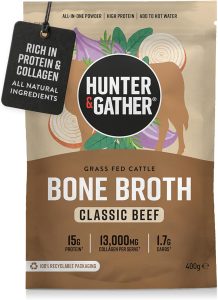
Hunter & Gather Bone Broth
- 100% grass-fed cattle
- 15g Protein per serving
- 13g of collagen per serving
- Unflavoured powder, mixes into any drink
- Sustainably sourced from European farms
1. Supports Gut Health
This is perhaps the most well-known benefit of bone broth, and there’s reasonable science behind it.
The gelatin in bone broth may help support the gut lining. Research suggests that gelatin can help maintain the integrity of the intestinal barrier, potentially reducing intestinal permeability (sometimes called “leaky gut”).
Glutamine, abundant in bone broth, is the primary fuel source for enterocytes (intestinal cells). Studies show that glutamine supplementation can support gut barrier function and may help with intestinal recovery.
Glycine also plays a role. Research indicates that glycine can help protect the gut lining and reduce inflammation in the digestive tract.
Many people report that bone broth helps soothe digestive discomfort, though individual responses vary. It’s often recommended as part of gut-healing protocols like the GAPS diet.
2. Supports Joint Health
Bone broth contains glucosamine and chondroitin, compounds commonly sold as joint supplements. These are extracted from the cartilage and connective tissue during the long simmer.
Clinical research has shown that glucosamine and chondroitin supplementation can help reduce joint pain and improve function in people with osteoarthritis. While the amounts in bone broth are lower than supplements, regular consumption may contribute to joint health.
The collagen in bone broth may also help. Studies show that collagen peptides can reduce joint pain in athletes and support cartilage health.
For those with active lifestyles or joint concerns, regular bone broth consumption may provide gentle, ongoing support.
3. Promotes Skin Health and Reduces Signs of Ageing
Collagen is the primary structural protein in skin, and its production declines with age. The collagen in bone broth breaks down into peptides that your body can absorb and potentially use for skin health.
A 2019 systematic review of 11 studies found that oral collagen supplementation significantly improved skin elasticity, hydration, and dermal collagen density. While these studies used collagen supplements rather than bone broth specifically, the collagen peptides are similar.
The glycine and proline in bone broth are also essential for collagen synthesis in the body. Regular consumption provides your body with the raw materials it needs to produce its own collagen.
For more concentrated collagen intake, see our guide to the best bovine collagen supplements UK.
4. May Improve Sleep Quality
Glycine, found abundantly in bone broth, has been studied for its effects on sleep. Research shows that glycine supplementation can improve subjective sleep quality, reduce fatigue, and help people fall asleep faster.
Glycine appears to work by lowering core body temperature and affecting neurotransmitters involved in sleep regulation. A cup of bone broth in the evening provides a gentle dose of glycine alongside other calming compounds.
Many people find a warm mug of bone broth before bed helps them relax and sleep better, though this may also be partly due to the ritual and warmth. However, there’s no studies showing direct benefits for sleep from bone broth consumption yet.
5. Supports Weight Management
Bone broth is high in protein yet low in calories, making it useful for weight management. A cup typically contains 6 to 12g of protein for only 30 to 50 calories.
Protein is the most satiating macronutrient, meaning it helps you feel full longer. Studies show that higher protein intake supports weight loss and helps preserve muscle mass during calorie restriction.
The gelatin in bone broth may also support satiety. Some research suggests that gelatin increases feelings of fullness, potentially reducing overall calorie intake.
Replacing high-calorie snacks with bone broth, or having a cup before meals, may help with appetite control.
6. Supports Immune Function
There’s a reason chicken soup has been a staple when you’re feeling under the weather for generations. Research from the University of Nebraska found that chicken soup (made with bones) had mild anti-inflammatory effects and may help reduce symptoms of upper respiratory infections.
The amino acids in bone broth, particularly glycine and arginine, have anti-inflammatory properties. Chronic inflammation is linked to numerous health issues, so reducing inflammation supports overall immune function.
The gut health benefits also indirectly support immunity, since a large portion of the immune system resides in the gut.
While bone broth won’t prevent illness, regular consumption may support your body’s natural defences.
7. Supports Bone Health
Despite the name, bone broth’s direct contribution to bone health is debated. While simmering bones does release some minerals, the amounts of calcium and magnesium in bone broth are relatively modest compared to other dietary sources.
However, bone broth may support bone health indirectly through its collagen content. Research suggests that collagen supplementation can increase bone mineral density and improve bone metabolism markers.
The protein content also matters. Adequate protein intake is essential for maintaining bone mass, particularly as we age.
8. Provides Hydration and Electrolytes
Bone broth is primarily water, making it an excellent hydrating beverage. But unlike plain water, it also contains electrolytes like sodium and potassium.
This makes bone broth particularly useful for:
- Recovery after exercise
- Rehydration during illness
- Supporting hydration on low-carb diets (which increase electrolyte needs)
- A warming alternative to plain water in cold weather
For those following keto or low-carb diets, bone broth is often recommended to help with the “keto flu” symptoms that can occur during the transition, largely due to its electrolyte content. Watch out for salt content in bone broth if you’re buying it and not making it yourself, as it can be significant.
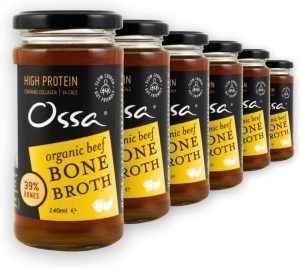
Ossa Organic Bone Broth
- 100% Natural & High Protein
- Keto, Paleo & Gut-Friendly
- Free from gluten, dairy, and sugar
- Low-Sodium Friendly
- Pack of 6 gives good value for money
How Much Bone Broth Should You Drink?
There’s no official recommended dose for bone broth. Most practitioners and enthusiasts suggest:
- General health: 1 cup (240ml) daily
- Gut healing or joint support: 2 to 3 cups daily
- During illness: As much as desired for comfort and hydration
Start with one cup daily and increase if you find it beneficial. Some people drink bone broth every day for years; others use it periodically or during specific health protocols. Remember, watch out for the sodium content.
The best time to drink bone broth depends on your goals:
- Morning: Gentle way to start the day, easy on the stomach
- Before meals: May support digestion and reduce appetite
- Evening: The glycine content may support better sleep
- Post-workout: Provides protein and electrolytes for recovery
Bone Broth vs Collagen Supplements: Which Is Better?
Both bone broth and collagen supplements provide similar benefits, but they have different advantages:
| Factor | Bone Broth | Collagen Supplements |
|---|---|---|
| Collagen per serving | 5 to 10g | 10 to 20g |
| Additional nutrients | Minerals, glucosamine, gelatin | Usually just collagen (some have added vitamins) |
| Convenience | Requires heating/refrigeration | Add to any drink, no refrigeration |
| Taste | Savoury, warming | Usually tasteless |
| Cost per serving | £1 to £2 | £0.50 to £1.50 |
| Gut benefits | Stronger (gelatin, glutamine) | Moderate |
When to Choose Bone Broth
- You want the full spectrum of nutrients (not just collagen)
- Gut health is your primary focus
- You enjoy savoury, warming drinks
- You want to use it in cooking
When to Choose Collagen Supplements
- You want higher collagen doses
- Convenience is a priority
- You travel frequently
- Skin or joint benefits are your primary focus
Many people use both: bone broth for gut health and cooking, collagen supplements for convenient daily collagen intake.
See our guides to best bovine collagen supplements UK and best collagen for sagging skin for supplement recommendations. You might also be interested in comparing bone broth with collagen supplements in respect to any side effects you may experience, with some users finding bone broth softer on the stomach.
Potential Downsides of Bone Broth
Bone broth is generally safe for most people, but there are a few considerations. Let’s examine them below.
Lead Contamination Concerns
Some research has raised concerns about lead leaching from bones into broth. However, the levels found are typically low and within safe limits.
Choosing bones from organic, pasture-raised animals and reputable brands minimises this risk. This is also dependent on country, with British beef generally having stricter controls on bioaccumulation of harmful compounds.
High Sodium Content
As we’ve already discussed, commercial bone broths can be high in sodium. If you’re watching your salt intake, check labels or choose low-sodium options. Homemade broth allows you to control the salt content.
Histamine Sensitivity
Bone broth is relatively high in histamine due to the long cooking process. People with histamine intolerance may experience symptoms like headaches, digestive issues, or skin reactions.
If you suspect histamine sensitivity, start with small amounts.
Not a Complete Protein
While bone broth is high in protein, it’s not a complete protein source. It’s rich in glycine and proline but low in some essential amino acids. It should complement rather than replace other protein sources.
Frequently Asked Questions
Is bone broth actually good for you?
Yes, research suggests that bone broth provides genuine nutritional benefits including collagen, amino acids, and minerals. Research supports its use for gut health, joint support, and skin health. It’s not a miracle cure, but it’s a nutritious addition to most diets.
How quickly do you see benefits from bone broth?
Some benefits like improved digestion and satiety may be noticeable within days. Like collagen, skin, joint, and gut healing benefits typically require consistent consumption over 4 to 12 weeks, similar to collagen supplements.
Is it OK to drink bone broth every day?
Drinking bone broth daily is safe for most people and is how many people consume it, but if you have concerns you should speak to your doctor or healthcare provider. One to three cups daily is common for those using it therapeutically.
Is bone broth anti-inflammatory?
Yes, bone broth contains amino acids with anti-inflammatory properties, particularly glycine and arginine. Regular consumption may help reduce chronic low-grade inflammation.
Does bone broth actually have collagen?
Yes, collagen is extracted from bones and connective tissue during the cooking process. It breaks down into gelatin (which causes the broth to gel when cold) and further into amino acids during digestion. But it’s not going to be as much collagen as a complete collagen supplement.
Is bone broth better than collagen powder?
Neither is universally “better.” Bone broth provides a broader range of nutrients including gelatin, minerals, and glucosamine. Collagen powder typically provides higher collagen doses more conveniently. Many people benefit from both.
Can bone broth heal your gut?
Bone broth can support gut health through its gelatin, glutamine, and glycine content. While “heal” is a strong term, many people report significant digestive improvements with regular consumption. It’s often used as part of gut-healing protocols.
The Bottom Line
Bone broth isn’t a miracle cure, and you should be cautious of influencers and companies positioning it as a cure-all. But it is a genuinely nutritious food with evidence-based benefits. The research supports its use for:
- Supporting gut health and digestive comfort
- Providing collagen for skin and joint health
- Improving sleep quality (via glycine)
- Supporting weight management through satiety
- Gentle immune support
The best approach is consistent, moderate consumption rather than expecting overnight miracles. One to two cups daily, combined with an otherwise healthy diet, is likely to provide noticeable benefits over time.
For maximum collagen intake, consider combining bone broth with a quality collagen supplement. And if you’re ready to try bone broth, see our guide to the best bone broth brands in the UK.
Related Articles
- Best Bone Broth UK 2026
- Best Bovine Collagen Supplements UK 2026
- Best Collagen for Sagging Skin UK
- Bovine Collagen Benefits
- How Long Does Collagen Take to Work?
Sources
This article references peer-reviewed research linked throughout. Key studies include research on collagen supplementation, glycine and gut health, and glucosamine for joint support. All citations link to PubMed for verification.
Medical Disclaimer: This article is for informational purposes only and does not constitute medical advice. Consult your GP or a qualified healthcare professional before starting any new supplement, especially if you have underlying health conditions, take medications, or are pregnant or breastfeeding. Individual results may vary.
Affiliate Disclaimer: This article may contain affiliate links. If you purchase products through these links, we may earn a small commission at no additional cost to you. This helps support our website and allows us to continue providing helpful content. Our reviews remain honest and unbiased regardless of affiliate relationships.

I started this site after spending weeks trying to figure out which collagen actually works. Now I test products, read the studies, and share honest reviews so you can skip the research phase and get straight to results.