
Nature Just Validated Red Light Therapy: 7 Key Takeaways from the 2026 Feature
On 25 March 2026, Nature published a major feature examining the science behind red light therapy. For context, Nature is the most prestigious scientific journal in the world. For them to dedicate a full news feature to red light therapy is a significant moment for the field.
The article is titled “The surprising science behind red-light therapy and how it really works.” It is not a study itself, but a comprehensive review of the current state of the research, written by science journalist Lynne Peeples. It is also behind a paywall, which means most people searching for it right now cannot read the full thing.
We have read it. Here are the 7 key takeaways that matter if you use or are considering red light therapy at home.
The science is real, not just wellness marketing
Nature confirms that there is genuine biology underpinning red light therapy. This is not a fringe wellness claim. Clinical studies have reported improvements in conditions ranging from peripheral neuropathy to retinal degeneration to certain neurological disorders. For some conditions, expert groups now formally recommend red light therapy as a treatment. The FDA has approved a red-light device for dry age-related macular degeneration, and since 2020, red light therapy has been included in clinical guidelines for treating cancer-therapy-related oral mucositis.
Mitochondria are central, but not the whole story
The article explains that when red and near-infrared light penetrates tissue, it interacts with mitochondria, the energy-producing structures inside your cells. This boosts ATP production, which is the fuel your cells need to function. For skin, this means fibroblasts (the cells that produce collagen) get an energy boost and ramp up collagen production. However, one researcher noted that even when mitochondrial function is chemically blocked, therapeutic responses are still observed. This suggests there are additional mechanisms at work that science has not yet fully mapped.
Dosage is crucial: there is a “sweet spot”
Many researchers point to a biological “sweet spot” between too little and too much light. This is sometimes called the biphasic dose response: too low a dose may not trigger a meaningful cellular response, while too high a dose can actually inhibit it. The takeaway for home users is that more is not always better. Follow your device manufacturer’s recommended session times and distances. A quality panel with proper irradiance data lets you calculate your actual dose, which is why spec transparency matters so much when choosing a device.
Wavelength selection matters enormously
Not all red light is therapeutic. The article emphasises that specific wavelengths drive specific biological responses. The wavelengths with the strongest evidence are in the 630-660nm (red) and 810-850nm (near-infrared) ranges, which are the same wavelengths used by the best at-home devices, including the panels and LED face masks we review on this site. Some researchers argue that wavelengths should not be considered in isolation, and that a broader spectrum of light may be more effective.
Humans are getting less red light than ever before
A striking point from the article: humans are now exposed to less red light than at any point in history. We spend more time indoors, away from sunlight, and modern energy-efficient lighting has narrowed the spectrum of indoor light, eliminating many red and near-infrared wavelengths. This matters because our biology evolved with daily exposure to broad-spectrum sunlight, including red and infrared wavelengths. At-home red light therapy devices are, in a sense, replacing what indoor living has taken away.
The applications go far beyond skincare
While most people associate red light therapy with skin and anti-ageing (and the collagen evidence is strong), Nature highlights research across a much wider range of conditions. Clinical trials report improved muscle recovery in athletes, reductions in depression symptoms, and pain relief for osteoarthritis and fibromyalgia. Smaller studies suggest potential benefits for metabolic and cardiovascular disease. One dermatologist quoted in the article expressed frustration that red light therapy is not more widely applied in cancer care for oral mucositis, calling it “a simple, safe, inexpensive treatment.”
Not all devices have been properly tested
Nature includes a clear caveat: not all at-home red light devices have been thoroughly, independently tested. The consumer market has exploded with products making bold claims, but quality varies enormously. This reinforces what we have consistently found in our own reviews: device quality, wavelength accuracy, irradiance output, and manufacturer transparency are the factors that separate devices that work from those that do not. If a device does not publish its exact wavelengths and irradiance figures, treat its marketing claims with scepticism.
What This Means for Home Users
This Nature feature is the most significant mainstream scientific endorsement of red light therapy to date. It does not say RLT is a miracle cure. It says the biology is real, the mechanisms are increasingly well understood, and the clinical evidence supports its use for specific conditions.
For anyone using a quality device at home with proper wavelengths, this is validation that you are doing something genuinely supported by science, not just chasing a wellness trend.
For anyone on the fence, the Nature feature makes the case that red light therapy is worth taking seriously, provided you choose a device that delivers clinically relevant wavelengths at adequate irradiance. That is exactly what we help you do.
Recommended Devices
If the Nature article has prompted you to consider red light therapy, here are our top LED face mask picks. Every mask below delivers clinically relevant wavelengths in the red and near-infrared ranges highlighted in the Nature feature.
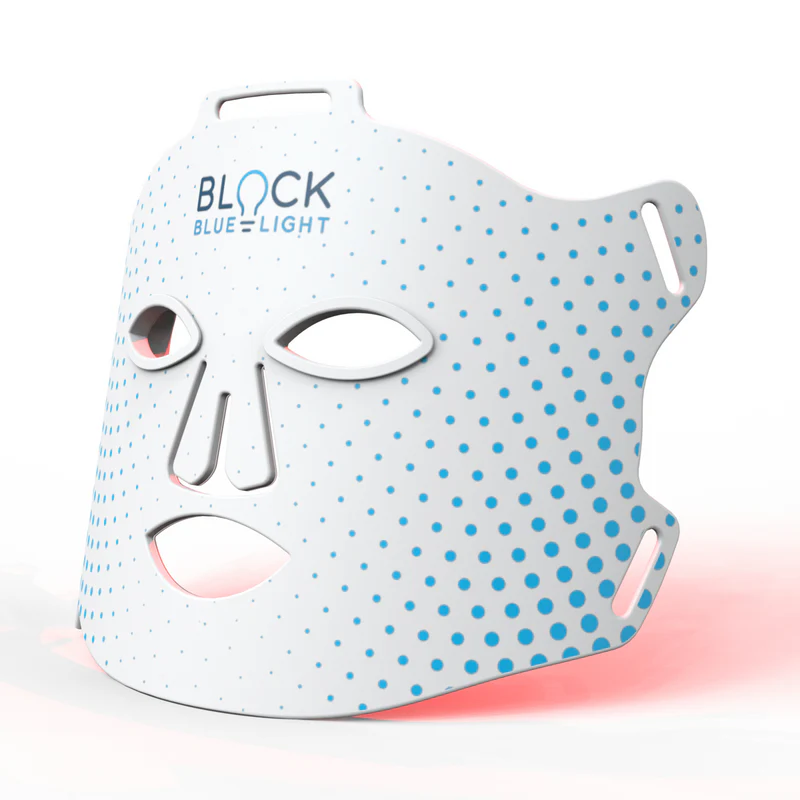
BlockBlueLight Red Light Therapy Mask
590 / 630 / 810 / 830nm · 488 LEDs- Four wavelengths (590nm amber, 630nm red, 810nm and 830nm near-infrared) across 488 LED chips, with three selectable modes
- A-grade silicone shell with cushioned adjustable straps and a 10-minute session timer
- Flicker-free and ultra-low EMF, in keeping with BlockBlueLight’s design focus, backed by a 2-year warranty
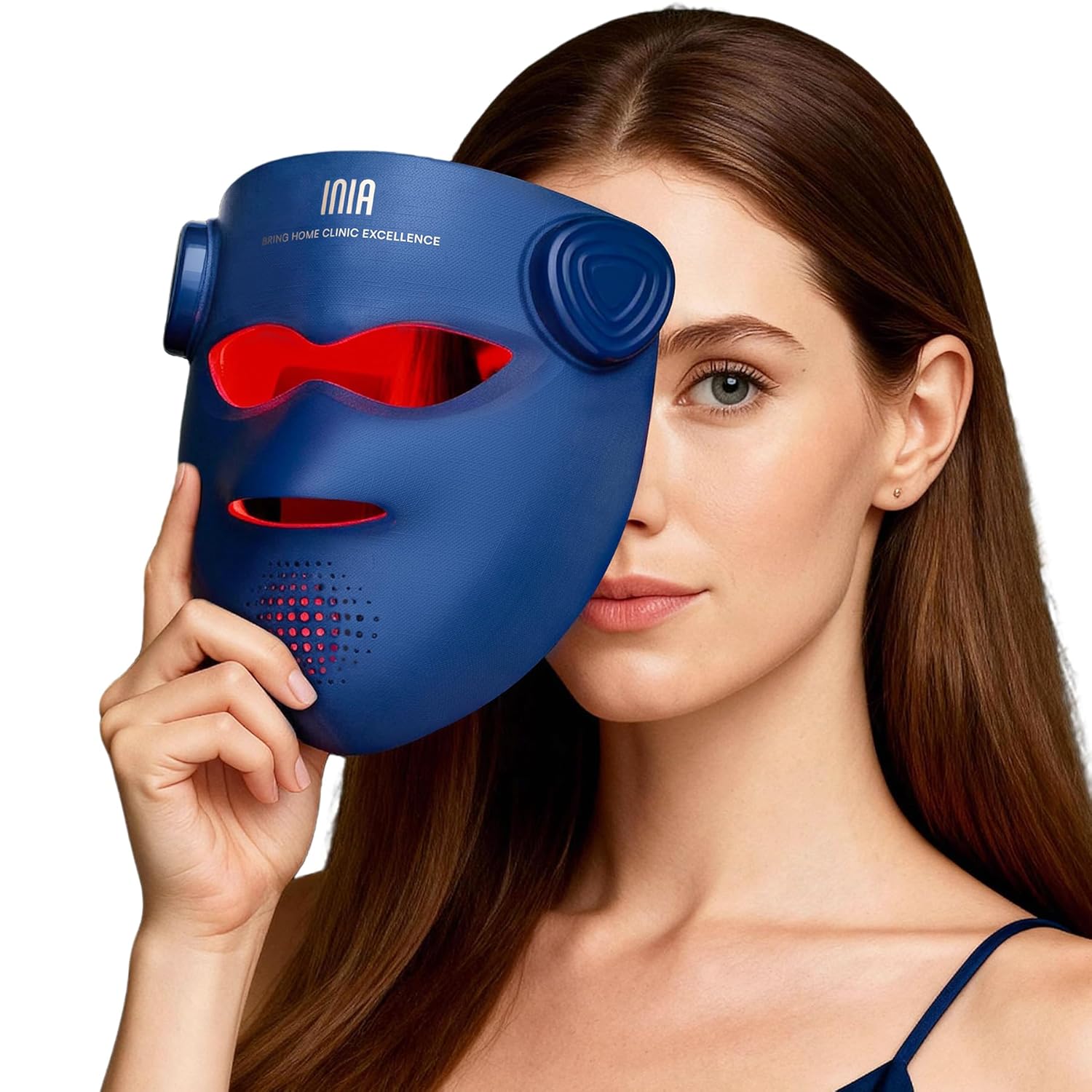
Inia Glow 4D
Dual NIR 850 + 940nm · 320 LEDs- Dual near-infrared output (850nm and 940nm) for deeper tissue penetration than visible-red-only masks
- 320 LEDs set into a 4D wrap-around shell for even, full-face contact
- Under-eye cooling pads, fully cordless and rechargeable, FDA-cleared
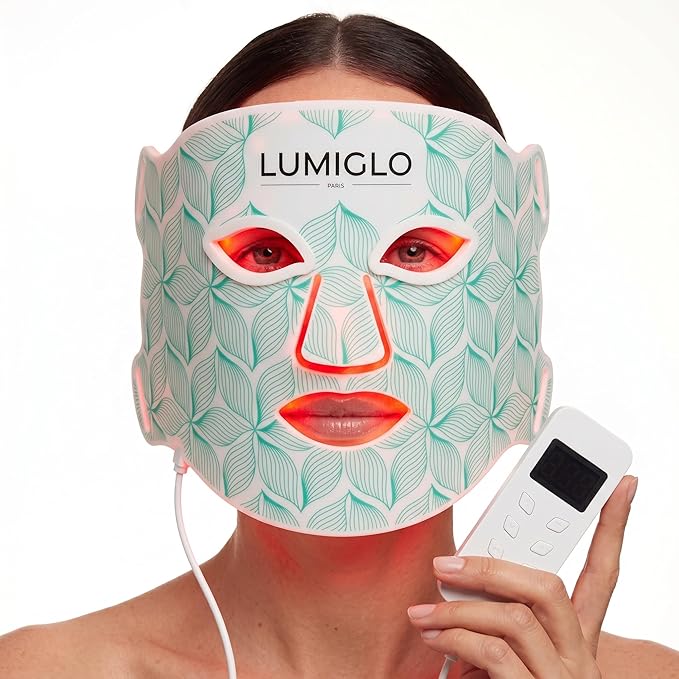
LumiGlow Paris
630nm Red + 850nm NIR · Mains-powered- 630nm red and 850nm near-infrared, the dual pairing with the strongest evidence base
- Contoured silicone covers forehead, cheeks, jawline and chin in one 10-minute session
- Wired digital controller holds full LED output from minute one, with nothing to charge or replace, and a 60-day money-back guarantee
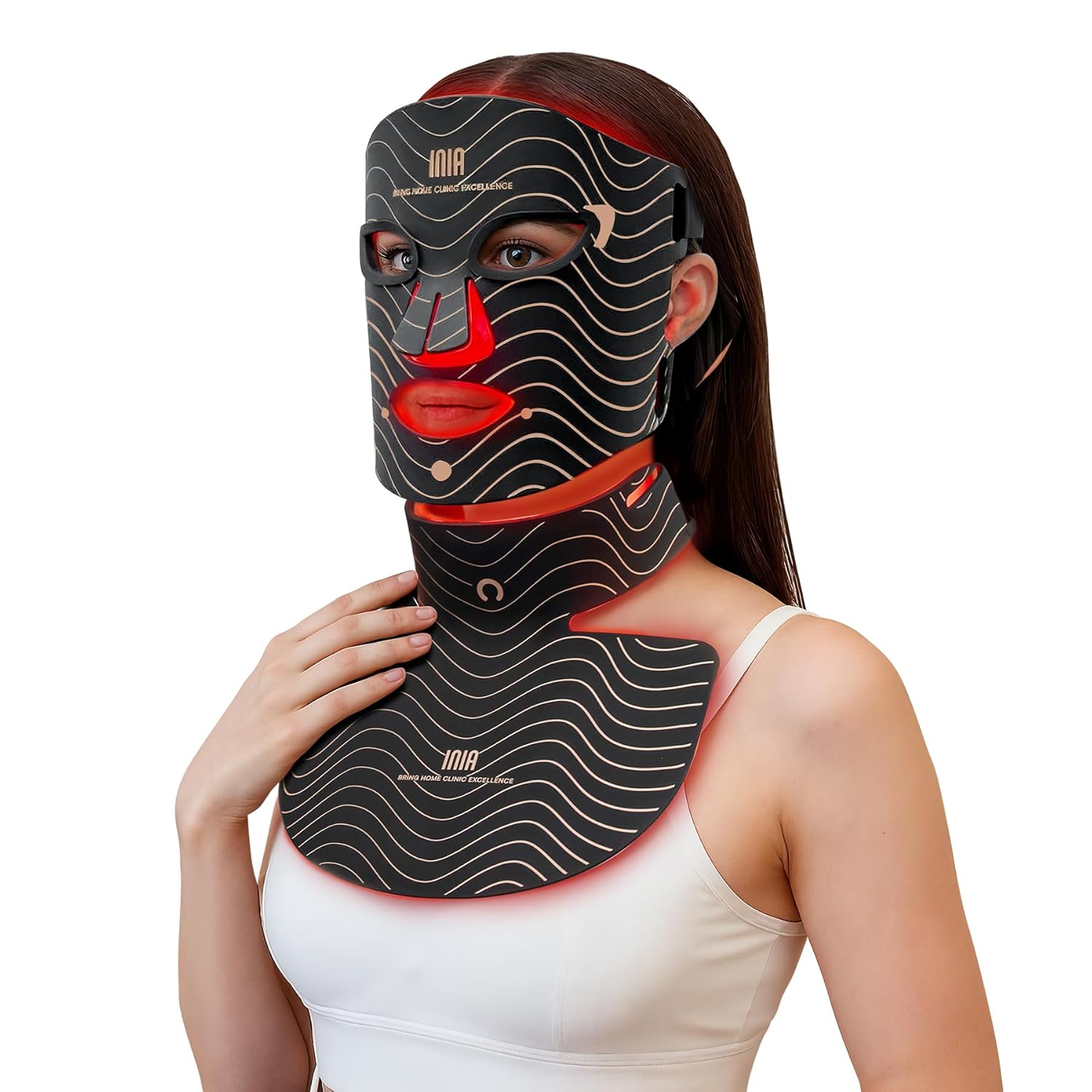
Inia Face and Neck
Face + Neck · 4 wavelengths- Four light modes: red (630nm), yellow (610nm), blue (460nm) and 850nm near-infrared
- Treats the face along with the often-neglected neck and décolletage
- 2600mAh rechargeable controller, fully cordless, FDA-cleared
Related Reading
Note: This article summarises key points from a Nature news feature. We encourage readers to read the original article at Nature.com for the full context. Our summary reflects our interpretation of the findings and how they relate to at-home red light therapy devices.
Affiliate Disclaimer: This article may contain affiliate links. If you purchase products through these links, we may earn a small commission at no additional cost to you.

I started this site after spending weeks trying to figure out which collagen actually works. Now I test products, read the studies, and share honest reviews so you can skip the research phase and get straight to results.