
The Quick Answer
Hydrolysed bovine collagen (also called collagen peptides or collagen hydrolysate) is broken down into smaller, easily absorbed fragments. Native collagen is the intact, unprocessed form found naturally in animal tissues.
For supplements, hydrolysed collagen is vastly superior. Your body cannot effectively absorb native collagen—the molecules are too large to pass through your intestinal wall. Hydrolysed collagen peptides are 15-20 times more bioavailable than native collagen.
All quality collagen supplements use hydrolysed collagen. If a product contains “native collagen” or “undenatured collagen,” it’s either a specialized type (like UC-II for joints) or poor quality. Standard collagen supplements should always be hydrolysed.
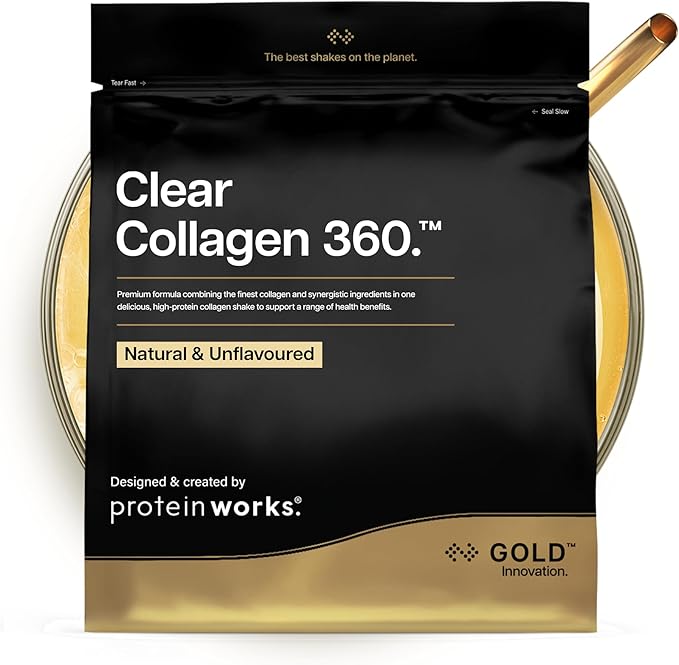
PREMIUM HYDROLYSED: Protein Works Clear Collagen 360
- Premium hydrolysed bovine collagen peptides
- 480g pack size lasts a long time
- Enhanced with vitamin C and hyaluronic acid
- Natural & unflavoured for versatile mixing
- Award-winning Gold Innovation formula
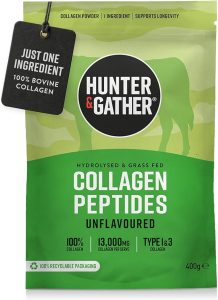
Hunter & Gather Collagen Peptides
- 100% grass-fed bovine collagen
- 13g collagen peptides per 400g pouch
- Type I & III collagen for skin and joints
- Unflavoured powder, mixes into any drink
- Sustainably sourced from European farms
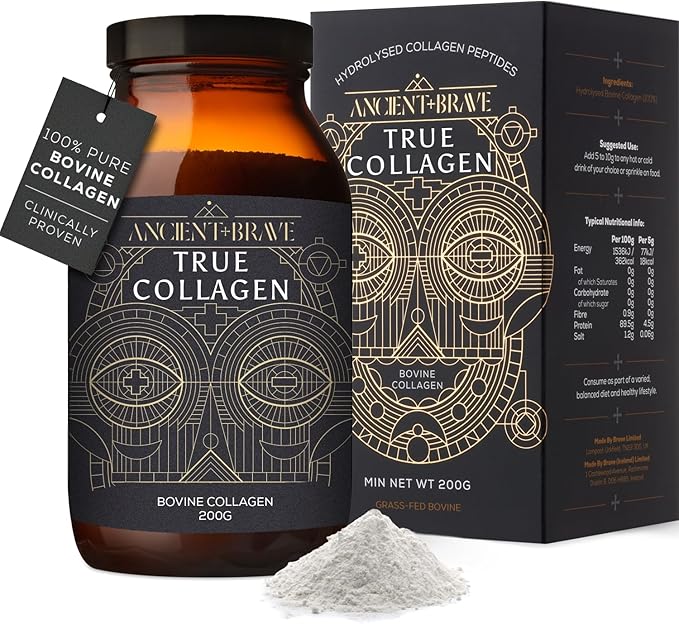
Ancient + Brave True Collagen
- Premium grass-fed collagen from European cattle
- 5g pure collagen peptides per serving
- Zero additives, flavours, or fillers
- Excellent mixability with no clumping
- Trusted by 50,000+ UK customers
What Is Native Collagen?
Native collagen is collagen in its natural, intact state as it exists in animal tissues. It’s the form found in bones, hides, cartilage, and connective tissue before any processing.
Native collagen has a complex triple-helix structure with very high molecular weight—typically 300,000 Daltons or more. This massive molecular size makes it impossible for your digestive system to absorb intact.
Think of native collagen like trying to absorb an entire rope through your intestinal wall. The molecule is simply too large to pass through. Your body would need to break it down extensively during digestion, which happens inefficiently and unpredictably.
When you consume foods containing native collagen—such as bone broth, slow-cooked meats, or gelatin—your body breaks down some of the collagen into amino acids and small peptides. However, this process is incomplete and varies significantly between individuals.
According to research published in the Journal of Drugs in Dermatology, native collagen absorption rates are minimal compared to hydrolysed collagen, making it impractical for supplementation.
What Is Hydrolysed Collagen?
Hydrolysed collagen (collagen hydrolysate or collagen peptides) is native collagen that has been enzymatically broken down into much smaller fragments called peptides.
The hydrolysis process uses specific enzymes to cut the long collagen chains into short peptides, typically ranging from 2,000-8,000 Daltons in molecular weight. This represents a reduction of 40-150 times compared to native collagen.
These smaller peptides can pass through your intestinal wall intact and enter your bloodstream. Research in Nutrients journal shows that hydrolysed collagen peptides achieve absorption rates of 90% or higher within hours of consumption.
The Hydrolysis Process
Manufacturing hydrolysed collagen involves several steps:
1. Extraction: Native collagen is extracted from animal sources (typically bovine hides and bones) through cleaning and preparation.
2. Enzymatic Hydrolysis: Specific enzymes (proteases) are added to break down the collagen structure. The process occurs at controlled temperatures and pH levels to ensure optimal peptide formation.
3. Filtration and Purification: The resulting collagen peptides are filtered to remove impurities and ensure consistent molecular weight distribution.
4. Drying: The purified peptides are spray-dried into powder form, creating the collagen supplements you buy.
This process preserves the amino acid profile of native collagen while dramatically improving bioavailability. The resulting product contains the same building blocks your body needs to synthesize new collagen—just in a form you can actually absorb.
Bioavailability: Why Hydrolysed Wins
Bioavailability refers to how much of a substance your body can actually absorb and use. This is where hydrolysed collagen dramatically outperforms native collagen.
Absorption Rates
Native collagen: Absorption is minimal and unpredictable. Most native collagen is broken down into individual amino acids during digestion, losing the specific peptide sequences that signal collagen synthesis. Estimates suggest less than 10% bioavailability of the intact collagen structure.
Hydrolysed collagen: Studies show 90%+ absorption within 6-12 hours. The small peptides pass through the intestinal barrier intact, maintaining their bioactive properties. Blood tests confirm elevated collagen peptide levels within hours of consumption.
According to research on collagen peptide absorption, hydrolysed collagen peptides accumulate in cartilage, skin, and other tissues where they stimulate collagen production.
Digestive Ease
Native collagen requires extensive digestive work. Your stomach and intestines must produce enzymes to break down the large molecules, which can be incomplete and varies based on digestive health.
Hydrolysed collagen is pre-digested. The enzymatic breakdown has already occurred, meaning your body expends minimal energy processing it. This makes hydrolysed collagen suitable even for people with digestive issues.
Speed of Action
Native collagen taken orally (if it were absorbed at all) would take significantly longer to reach target tissues and might never reach them in meaningful amounts.
Hydrolysed collagen appears in the bloodstream within 1-2 hours and reaches peak concentration within 6-12 hours. This rapid absorption means your body can quickly use these peptides for collagen synthesis.
Effectiveness: Clinical Evidence
Virtually all clinical research on oral collagen supplementation uses hydrolysed collagen, not native collagen. There’s a reason for this—native collagen simply doesn’t work as an oral supplement.
Skin Benefits
Multiple studies demonstrate that hydrolysed collagen improves skin elasticity, hydration, and reduces wrinkles. A comprehensive review in the Journal of Drugs in Dermatology confirmed these benefits across numerous trials.
These studies consistently used 2.5-10g of hydrolysed collagen daily for 8-12 weeks. No comparable studies exist for native collagen because researchers understand it won’t be absorbed effectively.
Joint Health
Research on collagen for joint health and osteoarthritis uses hydrolysed collagen peptides. Studies show reductions in joint pain and improved function with daily hydrolysed collagen supplementation.
According to some research, athletes taking hydrolysed collagen experienced reduced joint pain during activity compared to placebo groups.
Hair and Nails
Clinical trials showing benefits for hair growth and nail strength use hydrolysed collagen. The specific peptides in hydrolysed collagen signal your body to produce more structural proteins, including keratin for hair and nails.
Native collagen lacks this signalling capability because it doesn’t survive digestion in a form that can reach hair follicles and nail beds.
The Exception: Undenatured Collagen (UC-II)
There is one specialized form of native collagen used in supplements: undenatured Type II collagen (UC-II). This deserves clarification because it can cause confusion.
UC-II is native Type II collagen derived from chicken cartilage. Unlike other collagen supplements, UC-II works through an entirely different mechanism—it doesn’t get absorbed to provide building blocks for your body’s collagen.
Instead, UC-II triggers an immune response in your gut that reduces inflammation in joints. This makes it specifically useful for joint health and osteoarthritis, but it doesn’t provide general collagen benefits for skin, hair, or other tissues.
UC-II is taken in much smaller doses (40mg daily) compared to hydrolysed collagen (5-15g daily) because it works through immune modulation rather than providing structural building blocks.
When people talk about “native vs hydrolysed” collagen for general health and beauty benefits, UC-II isn’t relevant—it’s a specialized joint supplement with a unique mechanism of action.
Practical Differences in Use
Mixability and Taste
Hydrolysed collagen: Dissolves easily in both hot and cold liquids. High-quality hydrolysed collagen is virtually tasteless and odourless. You can add it to coffee, smoothies, water, or food without affecting flavour.
Native collagen: Difficult to incorporate into beverages. Would likely have a strong taste and poor mixability if used in supplement form (which it isn’t, for good reason).
Dosing and Convenience
Hydrolysed collagen: Precise dosing is easy. One scoop typically provides 10g of collagen peptides. You know exactly how much you’re consuming and can adjust based on your needs.
Native collagen: If you’re trying to get collagen from bone broth or gelatin, the collagen content varies widely and is difficult to quantify. You’d need to consume large quantities with uncertain benefits.
Digestive Tolerance
Hydrolysed collagen: Well-tolerated by most people. The most common side effect is mild digestive discomfort in the first few days, which typically resolves quickly. See our guide on bovine collagen safety for more information.
Native collagen: Could be harder to digest, though this is largely theoretical since native collagen isn’t used in supplements. Foods containing native collagen (bone broth, slow-cooked meats) are generally well-tolerated but provide uncertain collagen benefits.
Price and Value Considerations
Hydrolysed collagen represents better value despite potentially higher upfront costs:
Hydrolysed collagen: £15-35 per month for an effective dose (10g daily). You know you’re getting bioavailable collagen that your body can use. The processing and quality control justify the cost. We think NeoCell is one of the most cost-effective hydrolysed collagens you can buy, check out our full review here.
Native collagen sources: Bone broth costs £3-8 per serving, but you’d need to consume it daily without certainty about collagen content or absorption. The collagen you get is poorly absorbed compared to hydrolysed forms.
When evaluating cost-effectiveness, hydrolysed collagen provides far more absorbable collagen per pound spent than any native collagen source.
Which Should You Choose?
For collagen supplementation, the choice is clear: hydrolysed collagen is the only practical option.
Choose hydrolysed collagen when you want:
- Maximum bioavailability and absorption
- Proven benefits for skin, joints, hair, and nails
- Convenient, measurable dosing
- Easy mixing into beverages and food
- Clinical research backing effectiveness
- Predictable, reliable results
Native collagen is not a practical supplement choice for general collagen benefits. The only exception is UC-II for specific joint health support, which works through a different mechanism entirely.
If you’re considering collagen supplementation, focus on finding high-quality hydrolysed collagen from reputable sources. See our guide to the best bovine collagen supplements in the UK for specific product recommendations.
How to Identify Quality Hydrolysed Collagen
When shopping for hydrolysed collagen, look for products that clearly state:
- “Hydrolysed collagen peptides” or “collagen hydrolysate”
- Molecular weight range (ideally 2,000-8,000 Daltons)
- Source transparency (grass-fed, geographic origin)
- Third-party testing for purity
- Clear dosing instructions (typically 10g per serving)
Avoid products that are vague about whether the collagen is hydrolysed, or that make unrealistic absorption claims about “intact” or “whole” collagen molecules.
Common Questions About Hydrolysed vs Native Collagen
Is gelatin the same as native collagen?
Gelatin is partially hydrolysed collagen—it’s broken down more than native collagen but not as much as collagen peptides. This means gelatin forms a gel when cooled, while fully hydrolysed collagen peptides do not.
Whilst gelatin offers better absorption than native collagen but not as good as fully hydrolysed collagen peptides. For maximum bioavailability, choose collagen peptides over gelatin.
Can I get enough collagen from bone broth?
Bone broth contains native collagen (which converts to gelatin when heated), but the amount varies widely and absorption is limited. To match the bioavailable collagen in a 10g serving of hydrolysed collagen, you’d need to consume large amounts of bone broth daily—amounts that are impractical for most people.
Bone broth is nutritious and beneficial for other reasons, but it’s not an efficient collagen supplement replacement.
Does hydrolysis damage the collagen?
No. Hydrolysis preserves the amino acid profile and creates bioactive peptides that your body can actually use. The process enhances functionality rather than damaging it.
Research confirms that specific peptide sequences in hydrolysed collagen signal your body to produce more collagen, elastin, and other structural proteins. This signalling doesn’t occur with native collagen that’s broken down randomly during digestion.
The Bottom Line
Hydrolysed collagen is scientifically superior to native collagen for supplementation. The enzymatic breakdown creates small, bioavailable peptides that your body can absorb and use efficiently.
BEST VALUE: Hunter & Gather Collagen Peptides
- 100% grass-fed bovine collagen
- 13g collagen peptides per 400g pouch
- Type I & III collagen for skin and joints
- Unflavoured powder, mixes into any drink
- Sustainably sourced from European farms
FAST ACTING: Protein Works Clear Collagen 360
- Premium hydrolysed bovine collagen peptides
- 480g pack size lasts a long time
- Enhanced with vitamin C and hyaluronic acid
- Natural & unflavoured for versatile mixing
- Award-winning Gold Innovation formula
Ancient + Brave True Collagen
- Premium grass-fed collagen from European cattle
- 5g pure collagen peptides per serving
- Zero additives, flavours, or fillers
- Excellent mixability with no clumping
- Trusted by 50,000+ UK customers
Native collagen is the natural form found in foods, but your body struggles to absorb it intact. While foods containing native collagen can be part of a healthy diet, they’re not efficient collagen sources compared to properly processed supplements.
All reputable collagen supplements use hydrolysed collagen because it works. When choosing a collagen supplement, ensure it clearly states “hydrolysed” or “collagen peptides” and comes from a trustworthy manufacturer with quality testing.
For more information about choosing quality collagen, read our comprehensive guide to what bovine collagen is and how it works, or explore bovine vs marine collagen to understand the different source options available.
Medical Disclaimer: This article is for informational purposes only and does not constitute medical advice. Consult your GP or a qualified healthcare professional before starting any new supplement, especially if you have underlying health conditions, take medications, or are pregnant or breastfeeding. Individual results may vary.
Affiliate Disclaimer: This article may contain affiliate links. If you purchase products through these links, we may earn a small commission at no additional cost to you. This helps support our website and allows us to continue providing helpful content. Our reviews remain honest and unbiased regardless of affiliate relationships.

I started this site after spending weeks trying to figure out which collagen actually works. Now I test products, read the studies, and share honest reviews so you can skip the research phase and get straight to results.