
Quick Answer
Yes, you can cook with bovine collagen, and it remains effective at temperatures up to 150°C for reasonable cooking times. Adding collagen to coffee, tea, soups, sauces, baked goods, and most cooked dishes preserves its benefits.
Safe cooking methods: Stirring into hot beverages, adding to soups and stews, baking 175°C, mixing into sauces, and incorporating into porridge or cooked grains.
Methods to avoid: Prolonged high-heat exposure (grilling at 200°C+ for extended periods) and deep frying may degrade some collagen peptides, though even then, most remain intact.
Hydrolysed collagen peptides are heat-stable and designed to dissolve in hot liquids without losing effectiveness. This makes bovine collagen one of the most versatile protein supplements for cooking.
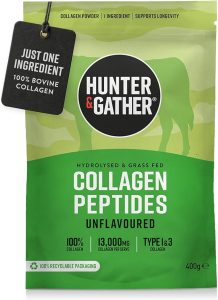
BEST FOR COOKING: Hunter & Gather Collagen Peptides
- 100% grass-fed bovine collagen
- 13g collagen peptides per 400g pouch
- Type I & III collagen for skin and joints
- Unflavoured powder, mixes into any drink
- Sustainably sourced from European farms
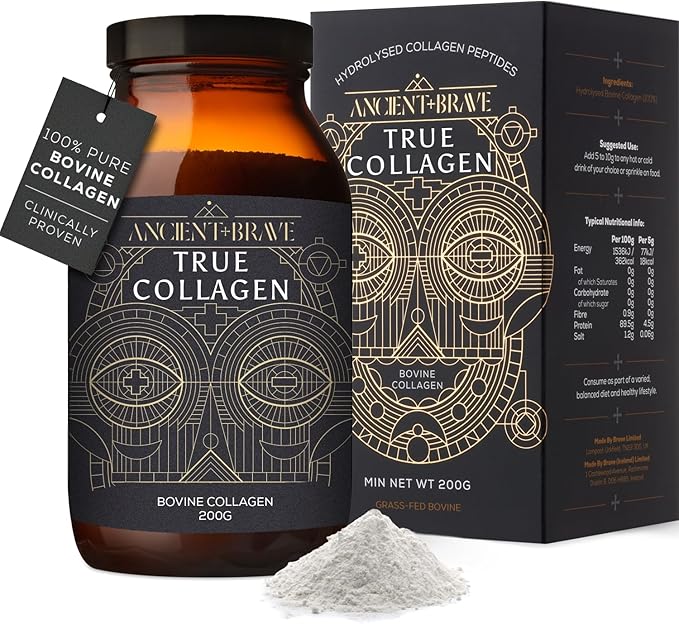
Ancient + Brave True Collagen
- Premium grass-fed collagen from European cattle
- 5g pure collagen peptides per serving
- Zero additives, flavours, or fillers
- Excellent mixability with no clumping
- Trusted by 50,000+ UK customers
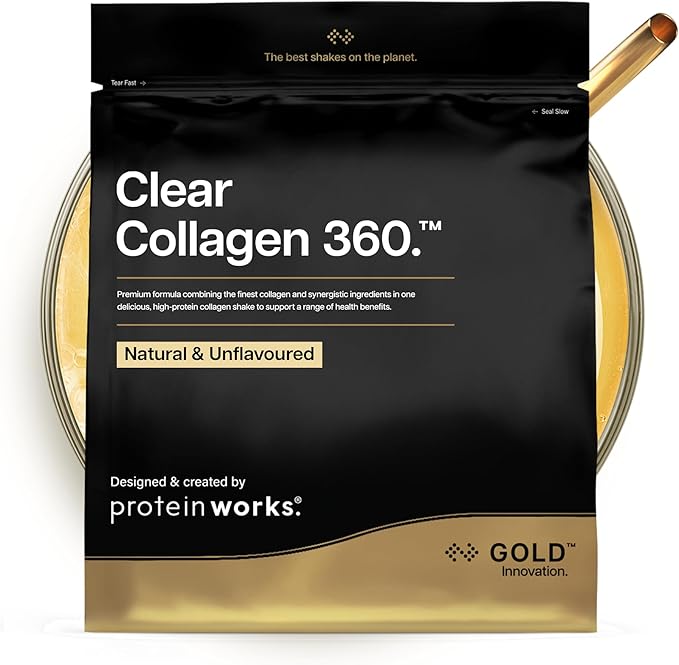
Protein Works Clear Collagen 360
- Premium hydrolysed bovine collagen peptides
- 480g pack size lasts a long time
- Enhanced with vitamin C and hyaluronic acid
- Natural & unflavoured for versatile mixing
- Award-winning Gold Innovation formula
Why Collagen Survives Cooking
Hydrolysed bovine collagen is already “cooked” during manufacturing. The hydrolysis process that creates collagen peptides involves heat, enzymes, and chemical treatment far more intense than anything you’d do in a home kitchen.
According to research published in the journal Nutrients, collagen peptides maintain their structure and bioactivity when exposed to typical cooking temperatures. The peptide bonds that make collagen effective survive heat remarkably well.
Here’s why cooking doesn’t destroy collagen’s benefits:
1. Small peptide size: Hydrolysed collagen consists of short peptide chains (2,000-8,000 Daltons). These small molecules are stable and don’t denature easily like larger proteins.
2. Already processed: The collagen has been enzymatically broken down, heat-treated, and purified during manufacturing. Your cooking temperatures are mild compared to this industrial processing.
3. Peptide stability: The specific peptide sequences that signal collagen production in your body remain intact at cooking temperatures. Even if minor structural changes occur, the amino acid content and most bioactive properties remain.
Temperature Guidelines for Cooking with Collagen
Completely Safe (Up to 100°C)
At boiling point and below, collagen is completely stable with zero degradation:
- Hot coffee or tea: 82-93°C
- Hot chocolate or warm milk: 65-82°C
- Soups and broths: Simmering at 82-100°C
- Oatmeal or porridge: 93-100°C
- Scrambled eggs: 93-100°C
These are the ideal ways to use collagen in cooking. You can add collagen at any point—before, during, or after cooking—with zero concern about degradation.
Very Safe (100-150°C)
Most home cooking falls in this range, and collagen remains highly effective:
- Baking (cakes, muffins, bread): 160-175°C
- Slow cooking: 93-150°C
- Sautéing: 120-150°C
- Simmering sauces: 85-93°C
- Steaming: 100°C
Collagen peptides tolerate these temperatures well, especially for typical cooking durations (15-60 minutes). Some studies show collagen remaining 95%+ effective even after an hour at 150°C.
Generally Safe with Caveats (150-200°C)
At higher temperatures, collagen remains mostly effective, but prolonged exposure may cause minor degradation:
- Roasting vegetables: 90-220°C
- Baking chicken: 190-200°C
- Pan-frying: 175-200°C
If you’re cooking in this temperature range for extended periods (60+ minutes), expect minor peptide degradation—perhaps 10-20% reduction in bioactivity. However, 80-90% of the collagen benefits remain.
Strategy: Add collagen toward the end of cooking or after removing from heat to maximize effectiveness.
Use with Caution (400°F+ / 200°C+)
Very high heat for extended periods may degrade more collagen peptides:
- High-heat grilling: 400-500°F+ (200-260°C+)
- Deep frying: 350-375°F (175-190°C) but with extended oil exposure
- Broiling: 500-550°F (260-290°C)
These methods may reduce collagen effectiveness, though research on extreme temperatures is limited. If you’re using these cooking methods, add collagen after cooking rather than subjecting it to the full heat exposure.
Best Ways to Cook with Collagen
1. Hot Beverages (Easiest Method)
Adding collagen to hot coffee, tea, or hot chocolate is the most popular cooking application:
How to do it: Brew your beverage, let it cool for 30-60 seconds (optional), add 1-2 scoops (10-20g) of collagen powder, stir vigorously for 10-15 seconds until fully dissolved.
Tips:
- Collagen dissolves instantly in hot liquids—no clumping
- Adds slight creaminess without affecting taste
- Works in coffee, matcha, chai, hot chocolate, or herbal tea
- You can add it to iced coffee too—just stir well
2. Soups, Stews, and Broths
Collagen naturally enhances soups and stews, adding body and nutritional value:
How to do it: Stir collagen powder into your soup during the last 5 minutes of cooking, or add it to individual bowls after serving.
Recipes that work well:
- Bone broth (add collagen for extra protein)
- Chicken soup or chicken noodle soup
- Vegetable soup (boosts protein content)
- Thai curry or Indian dal
- Tomato-based pasta sauces
Benefit: The collagen thickens liquids slightly, improving texture while adding 10g of protein per serving.
3. Baking
Collagen works surprisingly well in baked goods:
How to do it: Replace 1/4 to 1/3 of the flour in a recipe with collagen powder. For example, if a recipe calls for 120g of flour, use 90g flour + 30g collagen powder.
Recipes that work:
- Muffins and quick breads
- Pancakes and waffles
- Protein bars and energy bites
- Cookies (though texture changes slightly)
- Brownies
Notes: Collagen doesn’t behave exactly like flour—it absorbs liquid and can make baked goods denser. Start with small substitutions (25% of flour) and adjust based on results.
4. Smoothies and Shakes (Not Cooking, But Common)
While not technically cooking, blending collagen into smoothies is extremely popular:
How to do it: Add 1-2 scoops to any smoothie recipe and blend for 30-60 seconds.
Works with:
- Fruit smoothies (berries, banana, mango)
- Green smoothies (spinach, kale, avocado)
- Protein shakes
- Meal replacement shakes
Collagen is tasteless and dissolves completely, adding 10g of protein without affecting flavor.
5. Oatmeal and Porridge
Add collagen to hot cereal for an easy protein boost:
How to do it: Cook your oatmeal as usual. Remove from heat, stir in collagen powder, let sit for 1 minute, then stir again.
You can also add collagen directly to boiling oatmeal with no issues—it’s stable at these temperatures.
6. Sauces and Gravies
Collagen acts as a subtle thickening agent in sauces:
How to do it: Whisk collagen into sauces toward the end of cooking. It blends smoothly and adds body without lumps.
Works in:
- Pasta sauces (tomato-based or cream-based)
- Gravies
- Stir-fry sauces
- Salad dressings (cold or warm)
Cooking Methods to Avoid
While collagen is versatile, a few methods are suboptimal:
Deep Frying
Deep frying at 350-375°F in oil for several minutes may degrade collagen peptides more than other cooking methods. The combination of high heat and oil exposure could reduce effectiveness.
Alternative: If you want collagen in fried foods, dust the exterior with collagen powder after frying rather than incorporating it into batters.
Prolonged High-Heat Grilling
Grilling at 450°F+ for extended periods (30+ minutes) may cause more degradation than brief high-heat exposure.
Alternative: Add collagen to marinades or sauces served with grilled food rather than coating the food before grilling.
Microwaving at High Power for Extended Periods
Microwaving collagen-containing foods at high power for 5+ minutes may create hot spots that degrade some peptides.
Alternative: Use medium power and shorter intervals if reheating collagen-containing foods.
Does Cooking Change Collagen’s Taste or Texture?
High-quality hydrolysed collagen is virtually tasteless, and cooking doesn’t change this.
Taste: Collagen has no discernible taste whether raw or cooked. If you notice a taste, it’s likely due to low-quality collagen with impurities.
Texture: Collagen adds slight thickness or creaminess to liquids. In baked goods, it can make textures denser or chewier. In soups and sauces, it adds pleasant body.
Most people find these texture changes positive—collagen makes coffee creamier, soups richer, and baked goods more satisfying.
Common Cooking Questions About Collagen
Can I add collagen to boiling water?
Yes, absolutely. Boiling water (100°C) is completely safe for collagen. In fact, collagen dissolves faster in boiling water than cold water.
Will collagen clump when I add it to hot liquids?
High-quality hydrolysed collagen should not clump in hot liquids. If you experience clumping, either the collagen is low quality or you’re not stirring vigorously enough.
Solution: Add collagen while stirring constantly, or mix it with a small amount of cold liquid first to create a slurry, then add to hot liquid.
Can I freeze foods containing collagen?
Yes. Freezing doesn’t damage collagen peptides. You can freeze collagen-containing soups, sauces, or baked goods and reheat them later without losing effectiveness.
Does collagen work better raw or cooked?
Both are equally effective. The peptides remain bioavailable whether consumed in cold water, hot coffee, or baked into muffins (at reasonable temperatures).
Choose whatever method makes you most likely to take collagen consistently. If you hate mixing powder into cold water but love adding it to morning coffee, the coffee method is “better” for you because you’ll actually do it daily.
Can I cook with collagen every day?
Yes, that’s ideal. Daily consumption of 10g is how you see results. Cooking with collagen is an excellent way to ensure daily intake, especially if you dislike taking supplements in pill form.
Recipe Ideas for Cooking with Collagen
Collagen Coffee (Simplest Method)
Brew coffee, add 10g collagen powder, stir for 10 seconds. Adds creaminess and 10g protein to your morning routine.
Protein-Packed Oatmeal
Cook oatmeal with milk or water. Remove from heat, stir in 10g collagen + cinnamon + berries. Contains 15-20g protein total.
Collagen-Boosted Soup
Make any vegetable or chicken soup. During last 5 minutes of cooking, stir in 10g collagen per serving. Adds protein and body to soup.
Protein Pancakes
Standard pancake recipe: Replace 1/4 of flour with collagen powder. Cook as usual. Results in fluffy, protein-rich pancakes.
Homemade Protein Bars
Mix together: dates, nuts, collagen powder, cocoa powder, and a small amount of honey. Press into pan, refrigerate, cut into bars. No cooking required.
Choosing Collagen for Cooking
For cooking purposes, unflavoured hydrolysed collagen works best. Avoid flavoured collagen powders (vanilla, chocolate) unless the flavour suits your recipe.
Key qualities to look for:
- Instant dissolving: Should dissolve in seconds without clumping
- Truly tasteless: High-quality collagen has no taste
- Fine powder: Finer powder integrates into recipes more easily
- Grass-fed source: Higher quality, fewer impurities
See our guide to the best bovine collagen supplements in the UK for specific product recommendations suitable for cooking.
The Bottom Line on Cooking with Collagen
You can absolutely cook with bovine collagen without losing its benefits. The peptides survive typical cooking temperatures easily, maintaining their bioavailability and effectiveness.
Stick to temperatures below 175°C for prolonged cooking, or add collagen near the end of cooking at higher temperatures. Avoid only extreme methods like prolonged deep frying or high-heat grilling.
Cooking with collagen makes daily supplementation easier and more enjoyable. Whether you add it to morning coffee, afternoon soup, or evening baked goods, you’ll get the same benefits as mixing it into cold water—with far better taste and convenience.
For more information about how collagen works, see our guide to what bovine collagen is or learn about the importance of hydrolysed collagen for effective supplementation.
BEST FOR COOKING: Hunter & Gather Collagen Peptides
- 100% grass-fed bovine collagen
- 13g collagen peptides per 400g pouch
- Type I & III collagen for skin and joints
- Unflavoured powder, mixes into any drink
- Sustainably sourced from European farms
Ancient + Brave True Collagen
- Premium grass-fed collagen from European cattle
- 5g pure collagen peptides per serving
- Zero additives, flavours, or fillers
- Excellent mixability with no clumping
- Trusted by 50,000+ UK customers
Protein Works Clear Collagen 360
- Premium hydrolysed bovine collagen peptides
- 480g pack size lasts a long time
- Enhanced with vitamin C and hyaluronic acid
- Natural & unflavoured for versatile mixing
- Award-winning Gold Innovation formula
Medical Disclaimer: This article is for informational purposes only and does not constitute medical advice. ConMedical Disclaimer: This article is for informational purposes only and does not constitute medical advice. Consult your GP or a qualified healthcare professional before starting any new supplement, especially if you have underlying health conditions, take medications, or are pregnant or breastfeeding. Individual results may vary.
Affiliate Disclaimer: This article may contain affiliate links. If you purchase products through these links, we may earn a small commission at no additional cost to you. This helps support our website and allows us to continue providing helpful content. Our reviews remain honest and unbiased regardless of affiliate relationships.sult your GP or qualified healthcare provider before starting any new supplement regimen.

I started this site after spending weeks trying to figure out which collagen actually works. Now I test products, read the studies, and share honest reviews so you can skip the research phase and get straight to results.